Postingan

Menampilkan postingan dengan label android security

Quality to match with your user’s expectations
Gambar
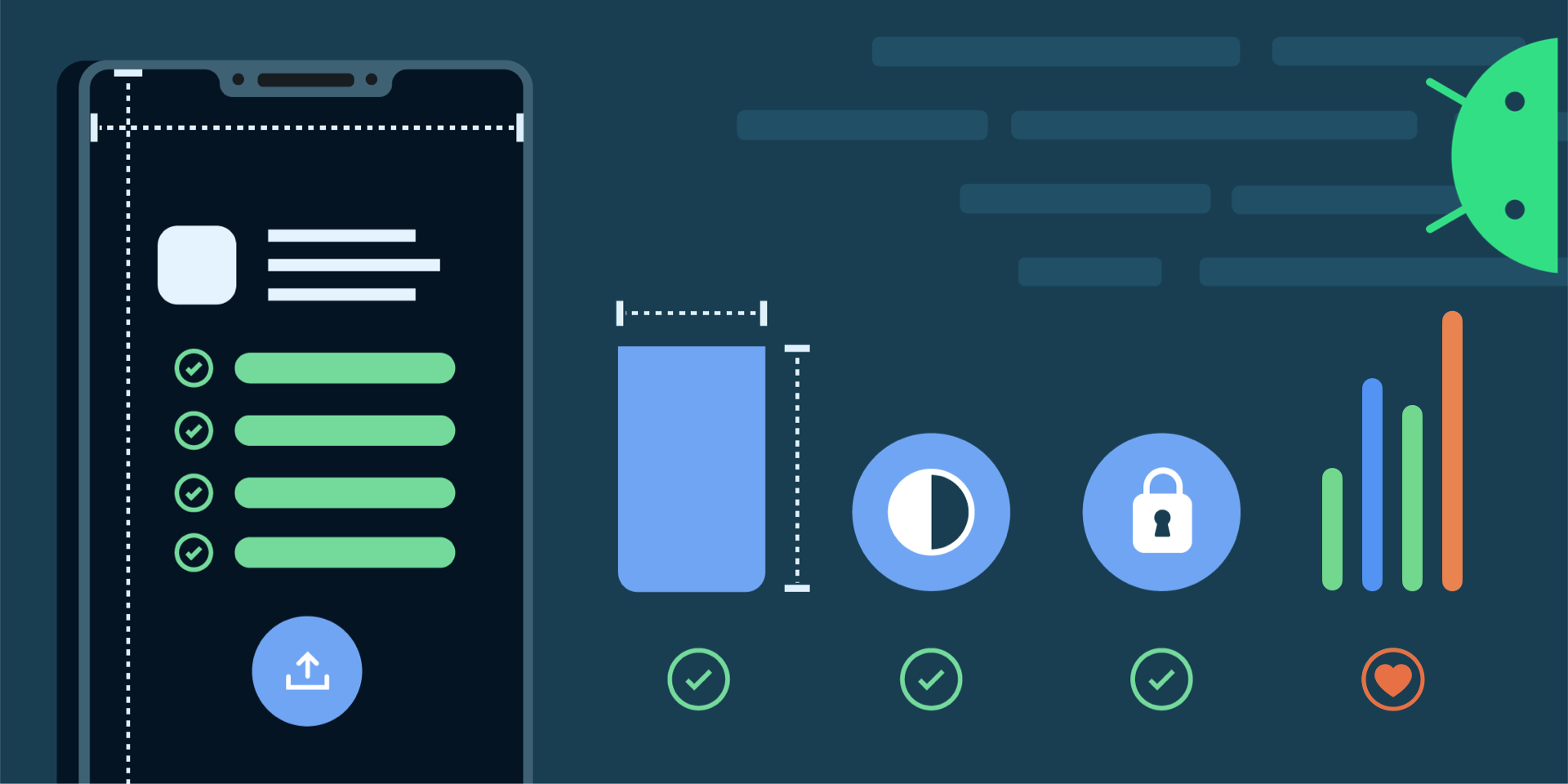
Posted by Hoi Lam , Android App Quality Since the launch of Android more than 10 years ago, the platform and the user’s expectations have grown. There are improvements from user experience through material design to the importance and advancement in privacy . We know you want your apps to offer a great user experience. At the same time, we also know that it’s not always straightforward to know which area to tackle first. That’s why we are launching a new App Quality section in our developer site to help you keep up-to-date with key aspects of app quality and provide related resources. In the first release, we have updated the Core App Quality checklist to take into account recent Android releases as well as the current trends of the app ecosystem. Here are some highlights in this update: Visual Experience - We highlight the best practice of using Material Design Components in place of platform components such as buttons. This will give your app a modern look as well as m...
New Android App Bundle and target API level requirements in 2021

Gambar
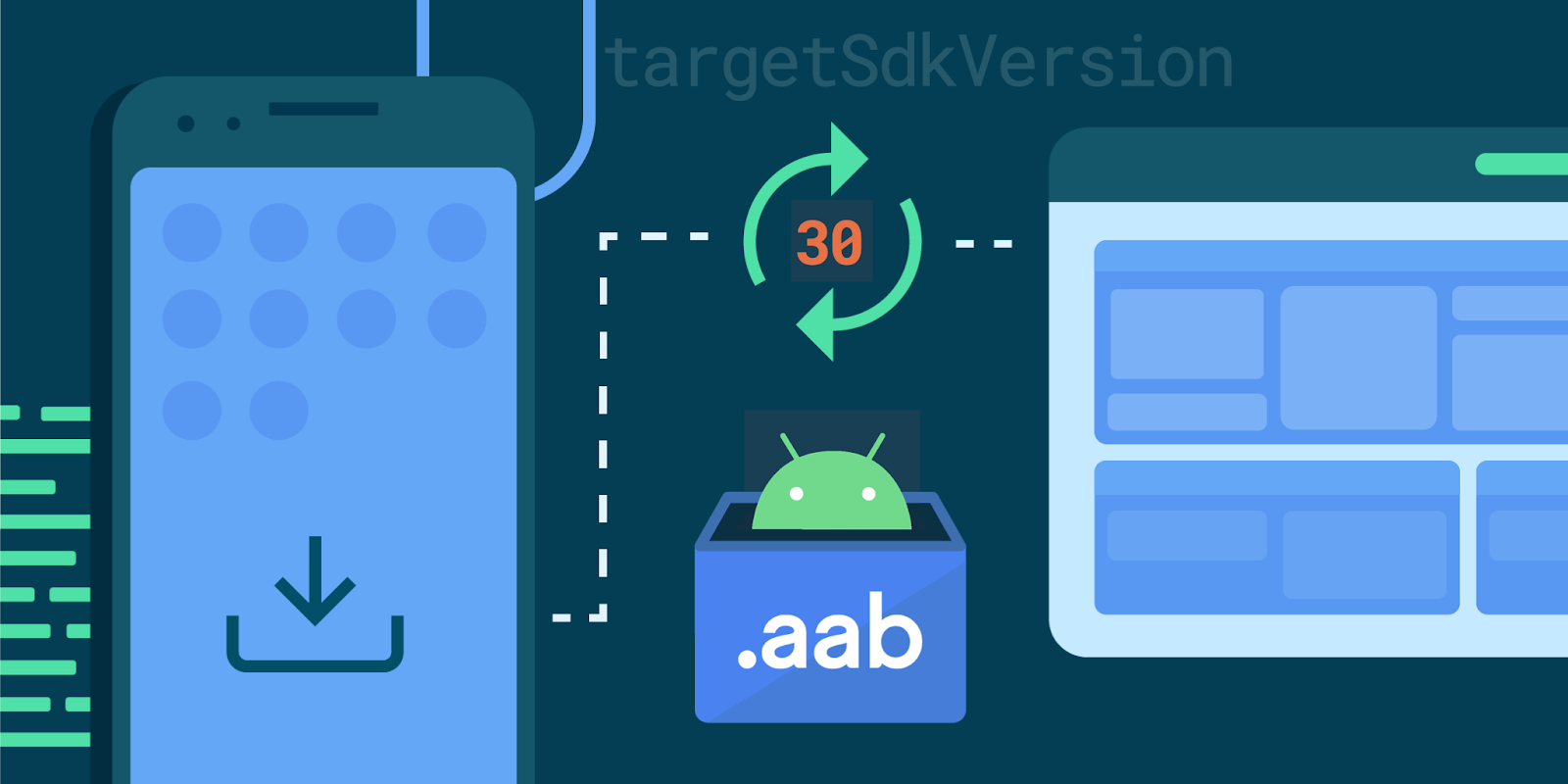
Posted by Hoi Lam , Developer Relations Engineer, Android Platform In 2021, we are continuing with our annual target API level update, requiring new apps to target API level 30 (Android 11) in August and in November for all app updates. In addition, as announced earlier this year, Google Play will require new apps to use the Android App Bundle publishing format. This brings the benefits of smaller apps and simpler releases to more users and developers and supports ongoing investment in advanced distribution. Over 750,000 apps and games already publish to production on Google Play using app bundles. Top apps switching save an average size of 15% versus a universal APK. Users benefit from smaller downloads and developers like Netflix and Riafy see higher install success rates, which is especially impactful in regions with more entry level devices and slower data speeds. Developers switching can use advanced distribution features such as Play Asset Delivery and Play Feature Delive...

11 Weeks of Android: Privacy and Security

Gambar
Posted by: Charmaine D’Silva, Product Lead, Android Privacy and Framework Narayan Kamath, Engineering Lead, Android Privacy and Framework Stephan Somogyi, Product Lead, Android Security Sudhi Herle, Engineering Lead, Android Security This blog post is part of a weekly series for #11WeeksOfAndroid . For each #11WeeksOfAndroid , we’re diving into a key area so you don’t miss anything. This week, we spotlighted Privacy and Security ; here’s a look at what you should know. Privacy and security is core to how we design Android, and with every new release we increase our investment in this space. Android 11 continues to make important strides in these areas, and this week we’ll be sharing a series of updates and resources about Android privacy and security. But first, let’s take a quick look at some of the most important changes we’ve made in Android 11 to protect user privacy and make the platform more secure. As shared in the “ All things privacy in Android 11 ” video, we’re giving users e...

How we fought bad apps and malicious developers in 2019

Gambar
Posted by Andrew Ahn, Product Manager, Google Play + Android App Safety Google Play connects users with great digital experiences to help them be more productive and entertained, as well as providing app developers with tools to reach billions of users around the globe. Such a thriving ecosystem can only be achieved and sustained when trust and safety is one of its key foundations. Over the last few years we’ve made the trust and safety of Google Play a top priority, and have continued our investments and improvements in our abuse detection systems, policies, and teams to fight against bad apps and malicious actors. In 2019, we continued to strengthen our policies (especially to better protect kids and families ), continued to improve our developer approval process , initiated a deeper collaboration with security industry partners through the App Defense Alliance , enhanced our machine learning detection systems analyzing an app’s code, metadata, and user engagement signals for any sus...

An Update on Android TLS Adoption

Gambar
Posted by Bram Bonné, Senior Software Engineer, Android Platform Security & Chad Brubaker, Staff Software Engineer, Android Platform Security Android is committed to keeping users, their devices, and their data safe. One of the ways that we keep data safe is by protecting network traffic that enters or leaves an Android device with Transport Layer Security (TLS). Android 7 (API level 24) introduced the Network Security Configuration in 2016, allowing app developers to configure the network security policy for their app through a declarative configuration file. To ensure apps are safe, apps targeting Android 9 (API level 28) or higher automatically have a policy set by default that prevents unencrypted traffic for every domain. Today, we’re happy to announce that 80% of Android apps are encrypting traffic by default. The percentage is even greater for apps targeting Android 9 and higher, with 90% of them encrypting traffic by default. Percentage of apps that block cleartext by de...

Trust but verify attestation with revocation

Gambar
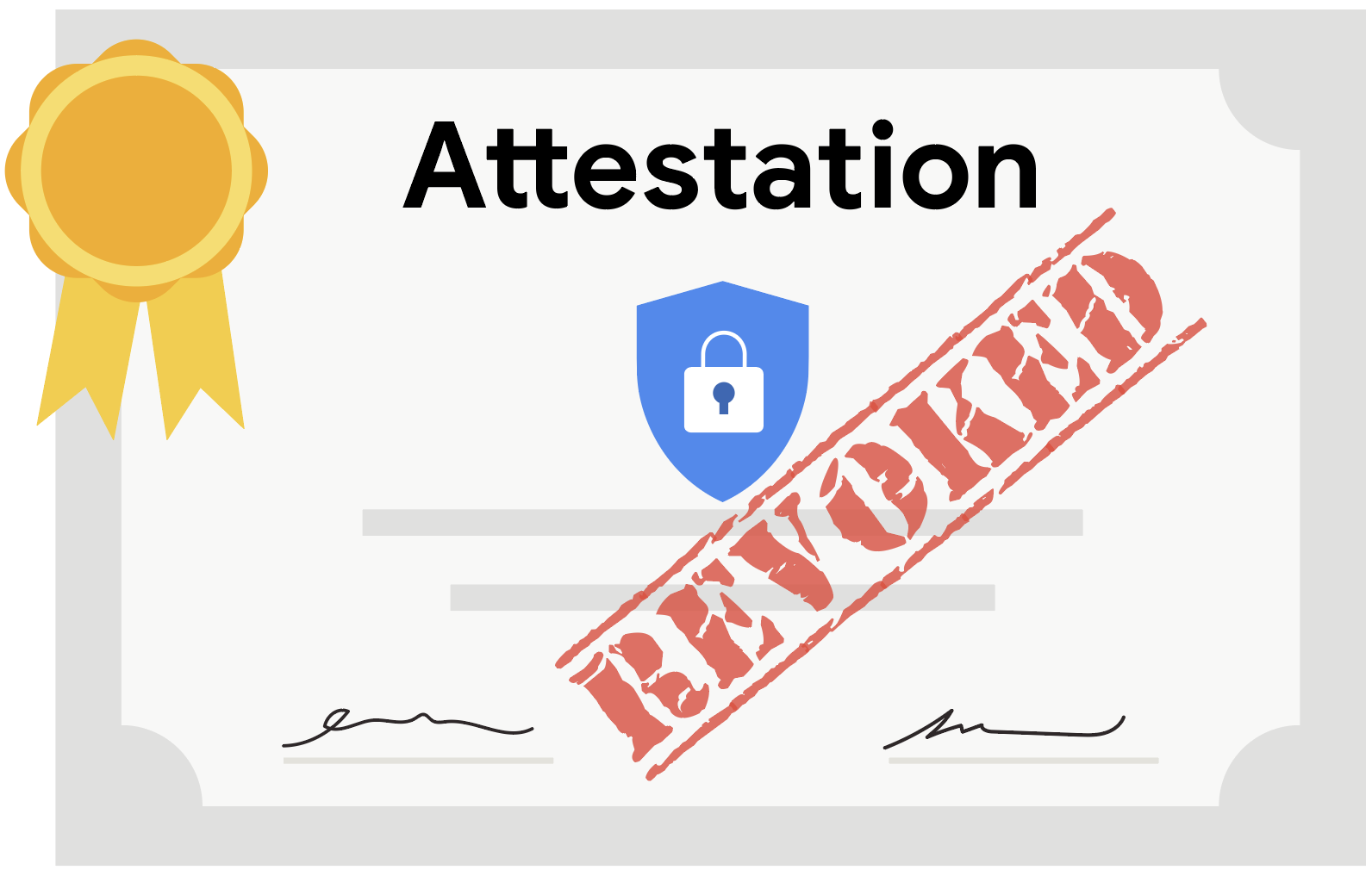
Posted by Rob Barnes & Shawn Willden, Android Security & Privacy Team Billions of people rely on their Android-powered devices to securely store their sensitive information. A vital component of the Android security stack is the key attestation system . Android devices since Android 7.0 are able to generate an attestation certificate that attests to the security properties of the device’s hardware and software. OEMs producing devices with Android 8.0 or higher must install a batch attestation key provided by Google on each device at the time of manufacturing. These keys might need to be revoked for a number of reasons including accidental disclosure, mishandling, or suspected extraction by an attacker. When this occurs, the affected keys must be immediately revoked to protect users. The security of any Public-Key Infrastructure system depends on the robustness of the key revocation process. All of the attestation keys issued so far include an extension that embeds a certificate...

Expanding bug bounties on Google Play

Gambar
Posted by Adam Bacchus, Sebastian Porst, and Patrick Mutchler — Android Security & Privacy We’re constantly looking for ways to further improve the security and privacy of our products, and the ecosystems they support. At Google, we understand the strength of open platforms and ecosystems, and that the best ideas don’t always come from within. It is for this reason that we offer a broad range of vulnerability reward programs, encouraging the community to help us improve security for everyone. Today, we’re expanding on those efforts with some big changes to Google Play Security Reward Program (GPSRP) , as well as the launch of the new Developer Data Protection Reward Program (DDPRP) . Google Play Security Reward Program Scope Increases We are increasing the scope of GPSRP to include all apps in Google Play with 100 million or more installs. These apps are now eligible for rewards, even if the app developers don’t have their own vulnerability disclosure or bug bounty program. In th...

What’s New in Android Q Security

Gambar
Posted by Rene Mayrhofer and Xiaowen Xin, Android Security & Privacy Team With every new version of Android, one of our top priorities is raising the bar for security. Over the last few years, these improvements have led to measurable progress across the ecosystem, and 2018 was no different. In the 4th quarter of 2018, we had 84% more devices receiving a security update than in the same quarter the prior year. At the same time, no critical security vulnerabilities affecting the Android platform were publicly disclosed without a security update or mitigation available in 2018, and we saw a 20% year-over-year decline in the proportion of devices that installed a Potentially Harmful App . In the spirit of transparency, we released this data and more in our Android Security & Privacy 2018 Year In Review. But now you may be asking, what’s next? Today at Google I/O we lifted the curtain on all the new security features being integrated into Android Q. We plan to go deeper on each fea...

Queue the Hardening Enhancements

Gambar
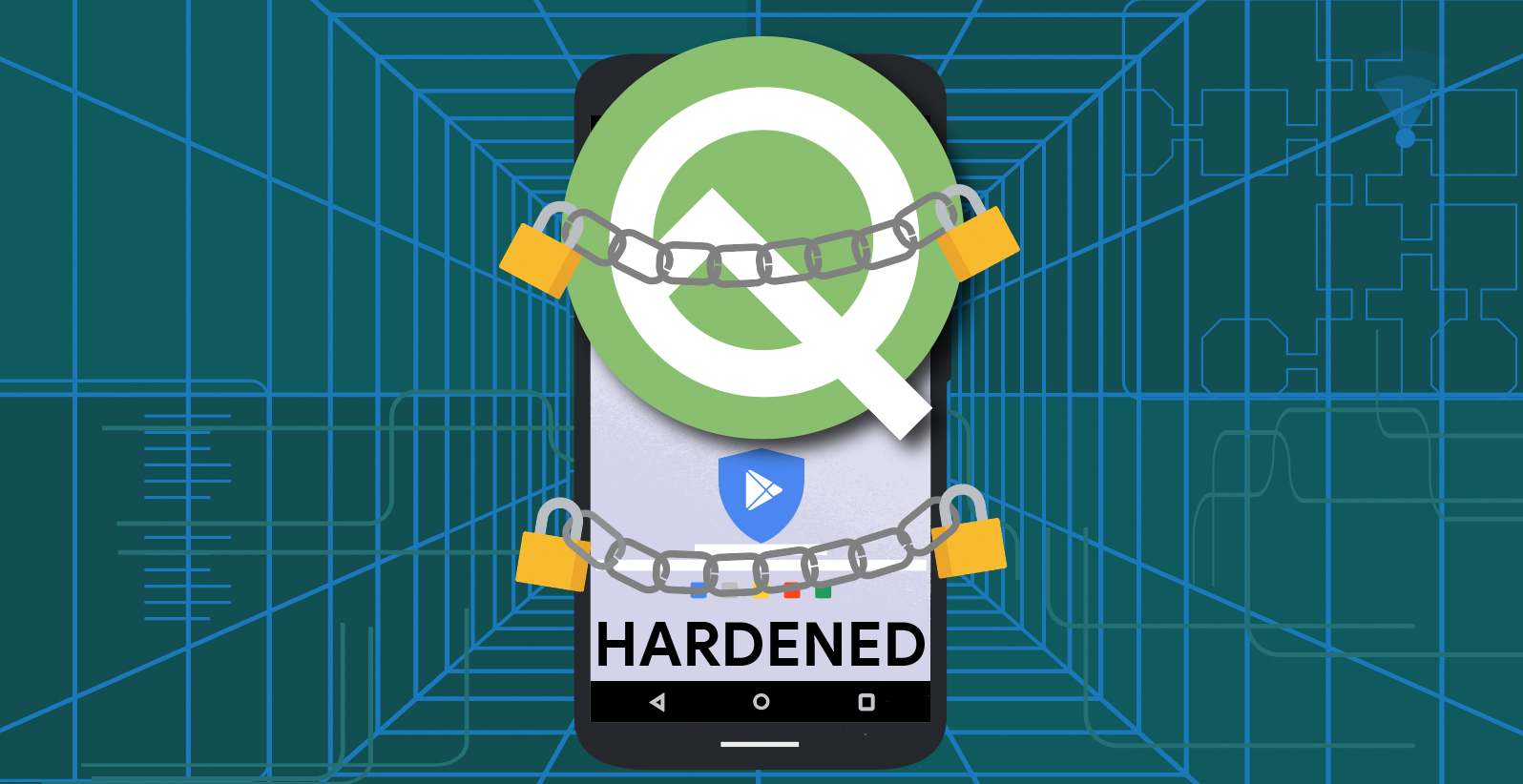
Posted by Jeff Vander Stoep, Android Security & Privacy Team and Chong Zhang, Android Media Team Android Q Beta versions are now publicly available . Among the various new features introduced in Android Q are some important security hardening changes. While exciting new security features are added in each Android release, hardening generally refers to security improvements made to existing components. When prioritizing platform hardening, we analyze data from a number of sources including our vulnerability rewards program (VRP). Past security issues provide useful insight into which components can use additional hardening. Android publishes monthly security bulletins which include fixes for all the high/critical severity vulnerabilities in the Android Open Source Project (AOSP) reported through our VRP. While fixing vulnerabilities is necessary, we also get a lot of value from the metadata - analysis on the location and class of vulnerabilities. With this insight we can apply t...

Queue the Hardening Enhancements

Gambar
Posted by Jeff Vander Stoep, Android Security & Privacy Team and Chong Zhang, Android Media Team Android Q Beta versions are now publicly available . Among the various new features introduced in Android Q are some important security hardening changes. While exciting new security features are added in each Android release, hardening generally refers to security improvements made to existing components. When prioritizing platform hardening, we analyze data from a number of sources including our vulnerability rewards program (VRP). Past security issues provide useful insight into which components can use additional hardening. Android publishes monthly security bulletins which include fixes for all the high/critical severity vulnerabilities in the Android Open Source Project (AOSP) reported through our VRP. While fixing vulnerabilities is necessary, we also get a lot of value from the metadata - analysis on the location and class of vulnerabilities. With this insight we can apply t...